The Readings New Australian Fiction Prize shortlist 2026 is here
See the books on the Readings New Australian Fiction Prize shortlist for 2026 and learn about this year’s prize changes.
THE FOREWORD
Last week, Readings announced the shortlist for the 2026 New Australian Fiction Prize. For the first time, The Readings Prize has now been split into separate branches: Children’s, Young Adult and New Australian Fiction.
By splitting the Prize into several categories, Readings aims to ‘bring it back to being more grassroots and reflective of the large Readings team’, says The Readings Prize Coordinator, Angela Crocombe.
‘In our revamped judging process, there are more judges and therefore more advocates to speak up for the books, so it is more about the numbers of judges who love each book, and why they love them, which means these factors can be incorporated into the assessment,’ said Angela on Readings’ blog. ‘It’s much fairer to the books this way, and it’s a more democratic process.’
While the process may have changed, the focus remains the same since the Prize’s inception in 2014: to celebrate new Australian writing. Open to authors living in Australia, eligibility requirements stipulate that entries must be an author’s first or second published work.
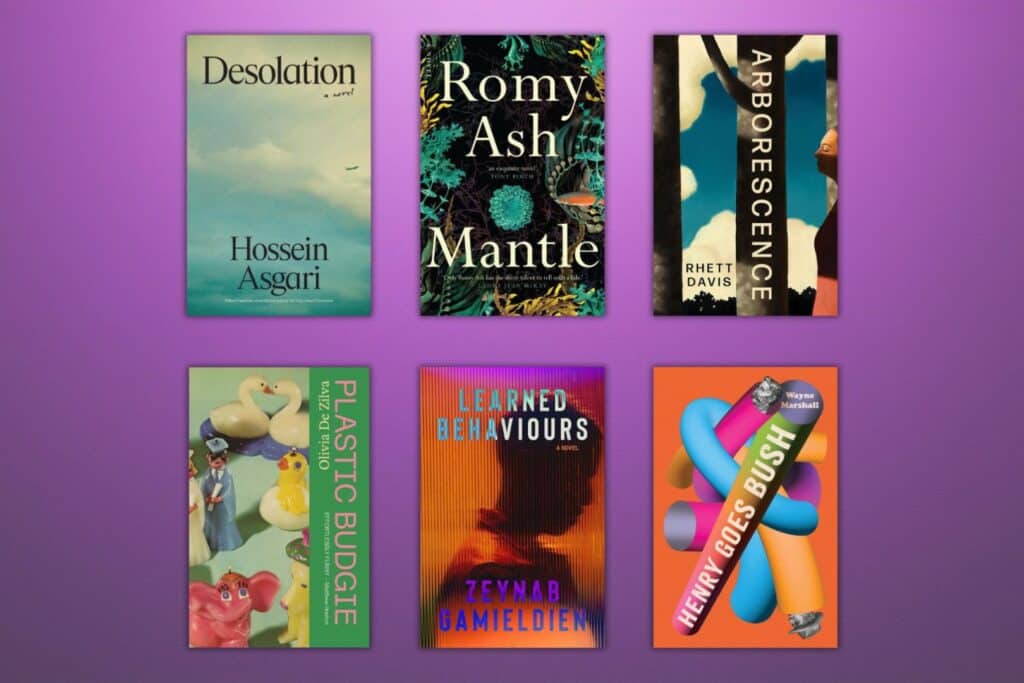
With six shortlisted titles to peruse, you’re sure to find something to add to your ‘to read list’ from one of these talented up-and-coming authors.
About Readings
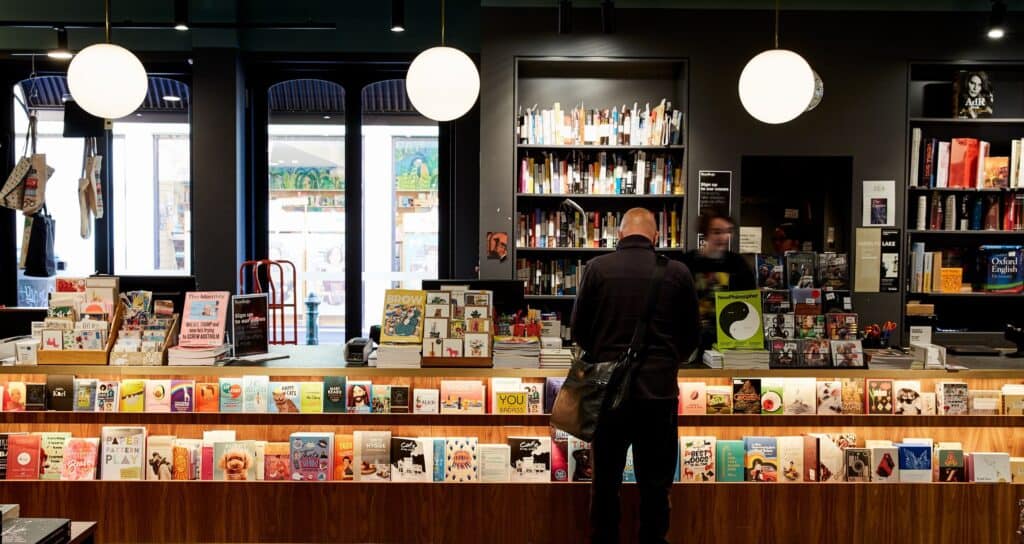
Readings started with one bookshop in Carlton, Melbourne in 1969. Since then, the retailer has expanded to nine Melbourne stores – all independent, and each with their own character. Readings prides itself on its carefully curated range of books, specifically selected with customers in mind and an aim to support Australian authors and publishers.
The shortlist
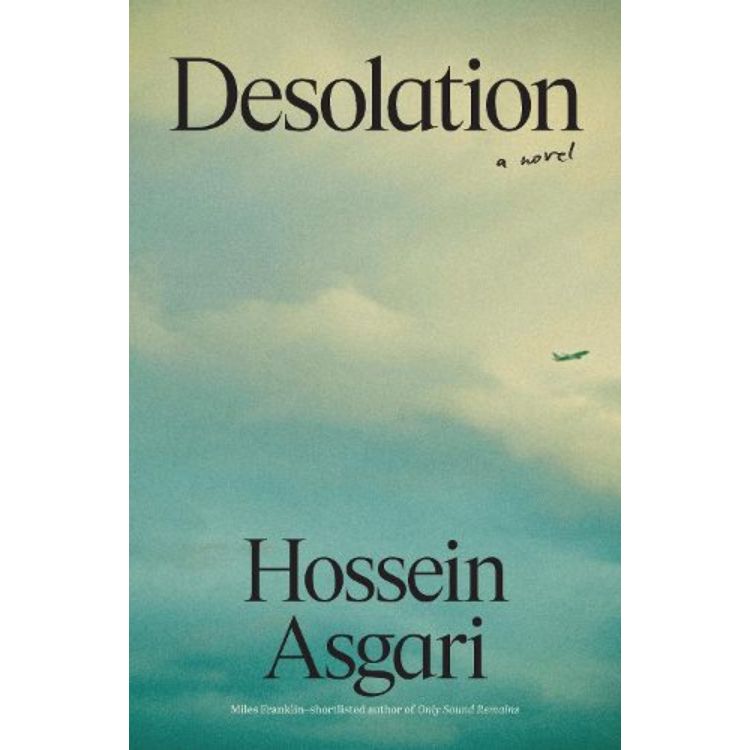
Desolation, Hossein Asgari
What the judges say:
‘In a cafe in Adelaide, a man approaches: “You are a writer, aren’t you? I have a story for you.” It is a story of tragedy, love, friendship, senseless violence, and the corruption of power. The man recounts his life in Iran in the eighties, the promise of young love, a loving family, a charismatic and brilliant brother, and a repressive and oppressive political regime. What motivates decent people to commit horrible acts of violence? What motivates evil people to do the same? Beautifully written, this story illuminates a society that is at once strange yet familiar.’ – Mark Rubbo
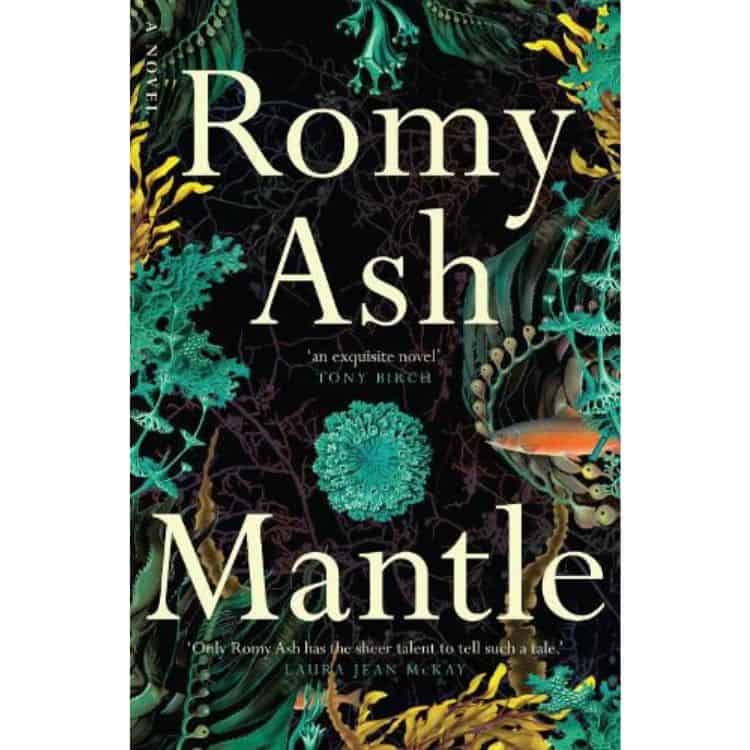
Mantle, Romy Ash
What the judges say:
‘Set on the Southeast coast of Tasmania, Mantle is a beautiful contemporary novel of our times. Highly original and evocative of place and nature, it is not simply a work of eco-fiction. It is often strange, unsettling and gothic in feel, and yet at its heart the relationships are real and intimate and the rituals in the everyday are where this novel gets you.’ – Danielle Mirabella
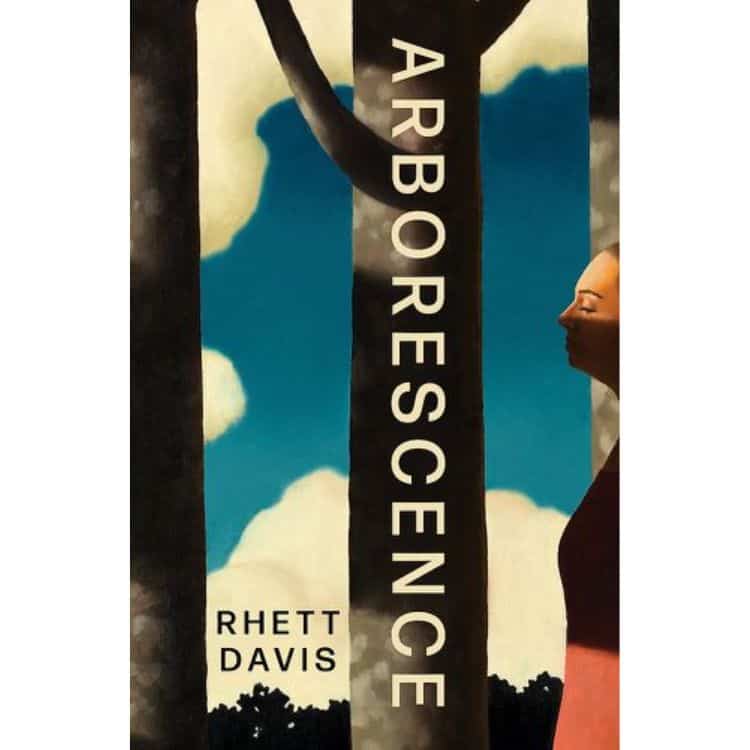
Arborescence, Rhett Davis
What the judges say:
‘I love a quiet apocalypse and that is exactly what Arborescence delivers, approaching the climate crisis with poignancy and playfulness. Humans turning into trees may be a fantastical premise, but Davis approaches it with total confidence, teasing out the trickiest questions about our place on this green planet.’ – Joe Murray
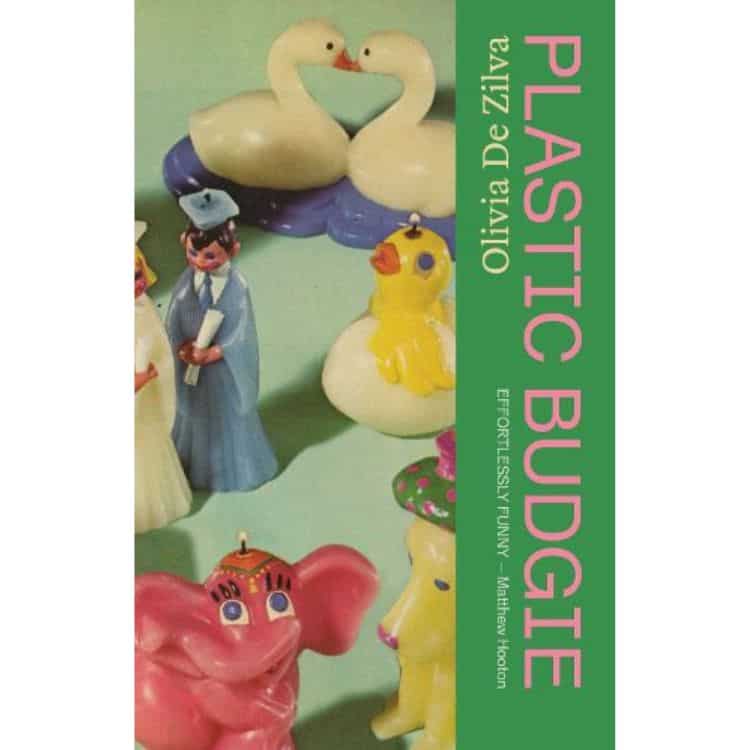
Plastic Budgie, Olivia De Zilva
What the judges say:
‘I loved the humour in this book, the playfulness with form and the originality. It was a quick but engrossing read.’ – Rosalind McClintock
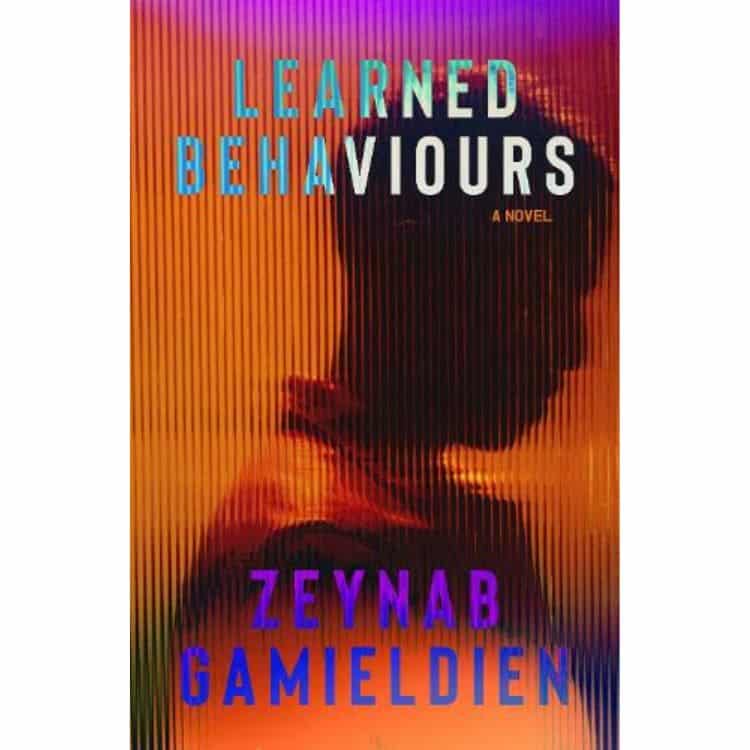
Learned Behaviours, Zeynab Gamieldien
What the judges say:
‘This is an enthralling narrative of race, class and masculinity. As well as a murder whodunit, it interrogates how ugly we are willing to become to escape the circumstances put upon us, and the shame that haunts us afterward. Zeynab Gamieldien lays bare the uncomfortable truths of Australia in this complex and unflinching tale.’ – Aurelia Orr
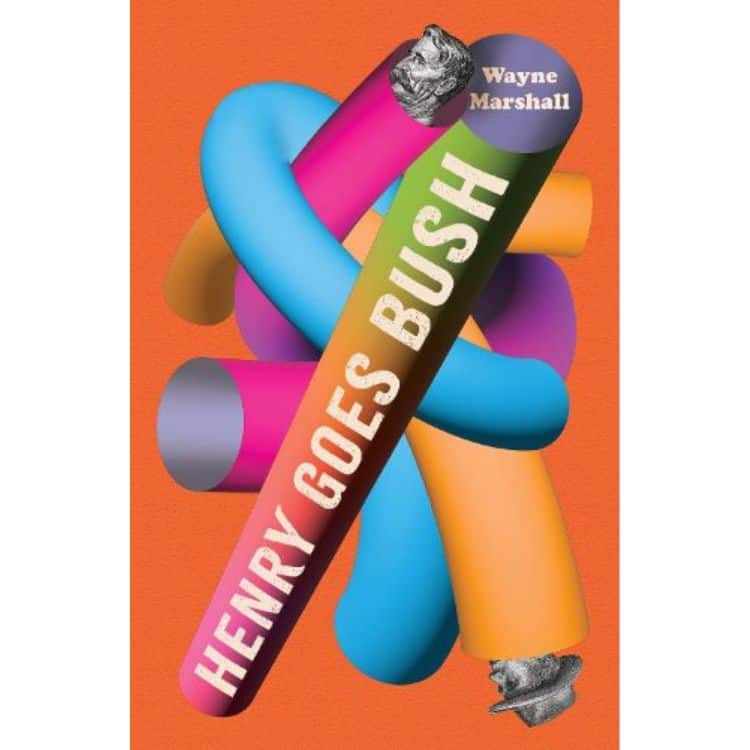
Henry Goes Bush, Wayne Marshall
What the judges say:
‘Hitched to a hallucinatory wagon on the Möbius strip of history, Henry Goes Bush tests the margins of Australian colonial myth-making as it loops around questions of selfhood, integrity and what it means to live in the wake of your own legacy.’ – Gene Pinter